Thursday, July 24, 2014

AAHA Accreditation


Unlike human hospitals, animal hospitals are not required to be accredited. Veterinary hospitals are evaluated on approximately 900 standards of veterinary excellence in order to become accredited. AAHA-accredited hospitals are recognized among the finest in the industry, and are consistently at the forefront of advanced veterinary medicine. Their Standards of Accreditation are continuously reviewed and updated to keep accredited practices on the cutting edge of veterinary excellence. Their standards address patient care and pain management, surgery, pharmacy, laboratory, exam facilities, medical records, cleanliness, emergency services, dental care, diagnostic imaging, anesthesiology, and continuing education. To maintain accredited status, we undergo comprehensive on-site evaluations every three years.


 What does accreditation mean? It means that we hold ourselves to a higher standard, and that your pet is receiving care at a hospital that has passed the highest standards in veterinary care.


 We are very proud to offer the best veterinary care for your pet and hope that you are proud to say that you take your pet to an AAHA accredited animal hospital!

Still have questions about what AAHA means for you and your pet? Leave a comment below!


Source: http://www.aaha.org/pet_owner/about_aaha/why_accreditation_matters/about_accreditation/default.aspx


Tuesday, June 17, 2014

Hot Weather Tips to Help Your Pet Stay Cool This Summer

Summer means enjoying the weather, and for most, with your pet! Remember to keep your pet healthy this summer by keeping them safe in the summer’s high temperatures.


Here are just some of the ways you can help ensure your pets have a safe summer:

 Visit the Vet. A visit to the veterinarian for a spring or early summer check-up is a must. Make sure your pet is up-to-date on all necessary vaccinations. Pets should also be given a blood test for heartworm every year in the early spring. The deadly parasite is transmitted through the bite of an infected mosquito, and it is recommended that dogs and cats be on a monthly preventive medication year-round.

 Keep Cool. Dogs and cats can become dehydrated quickly, so give your pets plenty of water when it is hot outdoors. Also make sure your pet has a shady place to escape the sun, and when the temperature is very high, don't let your dog linger on hot asphalt.

 Know the Symptoms. Some symptoms of overheating in pets include excessive panting or difficulty breathing, increased heart and respiratory rate, drooling, mild weakness, seizures, and an elevated body temperature of over 104 degrees. Summertime is the perfect time for a backyard barbeque or party, but remember to keep alcoholic beverages away from pets, as they can cause intoxication, depression, comas, or even death. Similarly, remember that the snacks you serve your friends should not be a treat for your pet; any change of diet, even for one meal, may give your dog or cat severe digestive ailments.” Avoid raisins, grapes, onions, chocolate and products with the sweetener xylitol.

 Water Safety is Pet-friendly. Do not leave pets unsupervised around a pool, as not all dogs are good swimmers. Introduce your pets to water gradually and make sure pets wear flotation devices while on boats. Rinse your dog off after swimming to remove chlorine or salt from his fur, and try to keep your dog from drinking pool water, which contains chlorine and other chemicals that could cause stomach upset.

 Source: http://www.aspca.org/about-us/press-releases/aspca-offers-hot-weather-safety-tips-help-pets-beat-heat-during-dog-and-cat

Thursday, May 15, 2014

Pet Safety Tips for Memorial Day

Like many Americans, you may be planning a festive Memorial Day, complete with barbecue and fireworks. It’s important to remember, fireworks and dogs don't mix.


Unlike people, dogs won’t associate the noise, flashes, and burning smell of pyrotechnics with a celebration. Fireworks will often cause panic and anxiety in dogs. It’s important to remember that dogs panic at the sound of fireworks and flee into the night, often winding up lost, injured, or killed.
Here are a few tips to help keep your pet safe this Memorial Day.
1.    Keep your pet indoors at all times, if possible.
2.    Use Pet Friendly Repellent.
3.    Don’t give your pet table food.


Wednesday, April 16, 2014

Pookie's Puppies

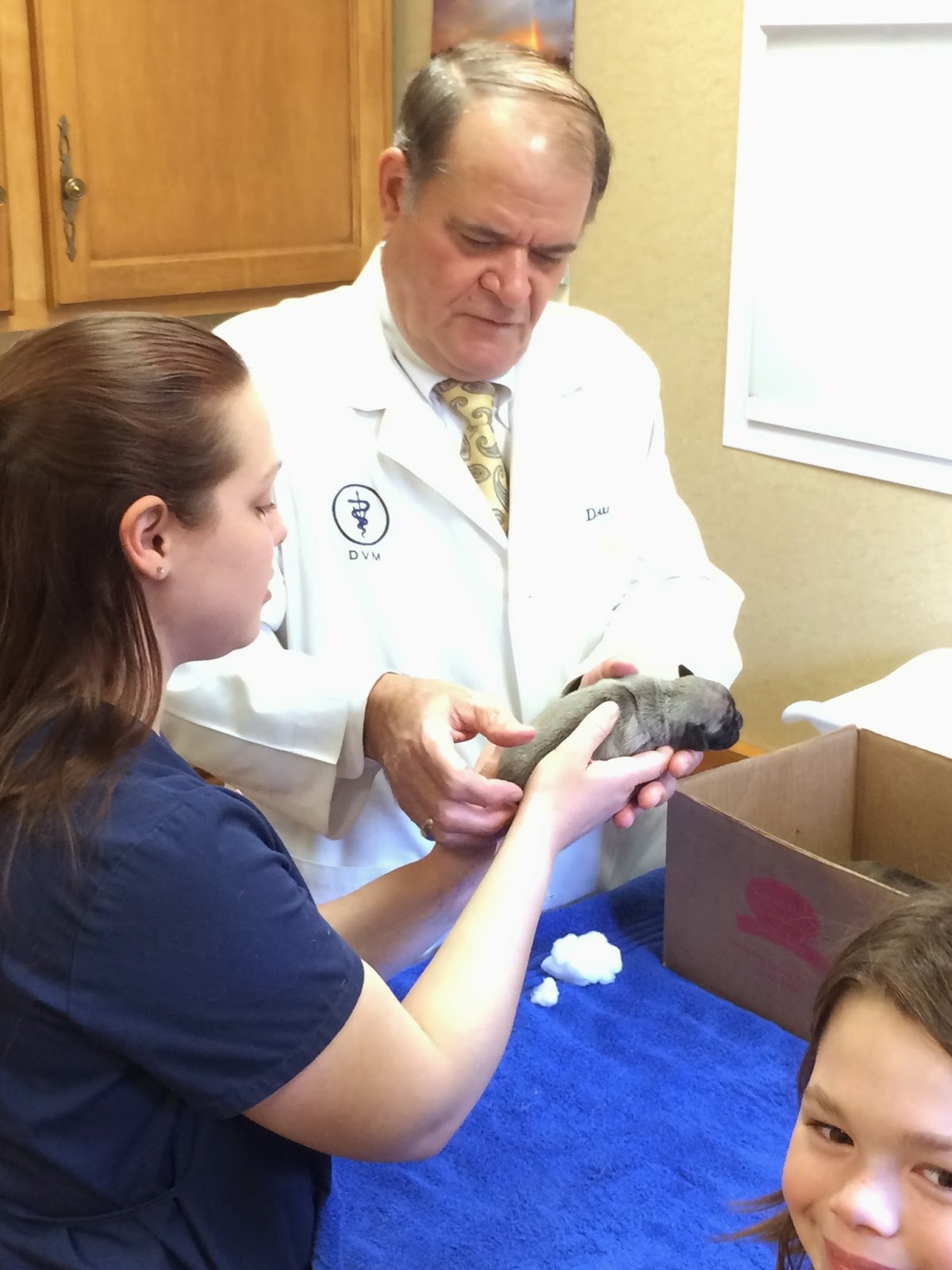
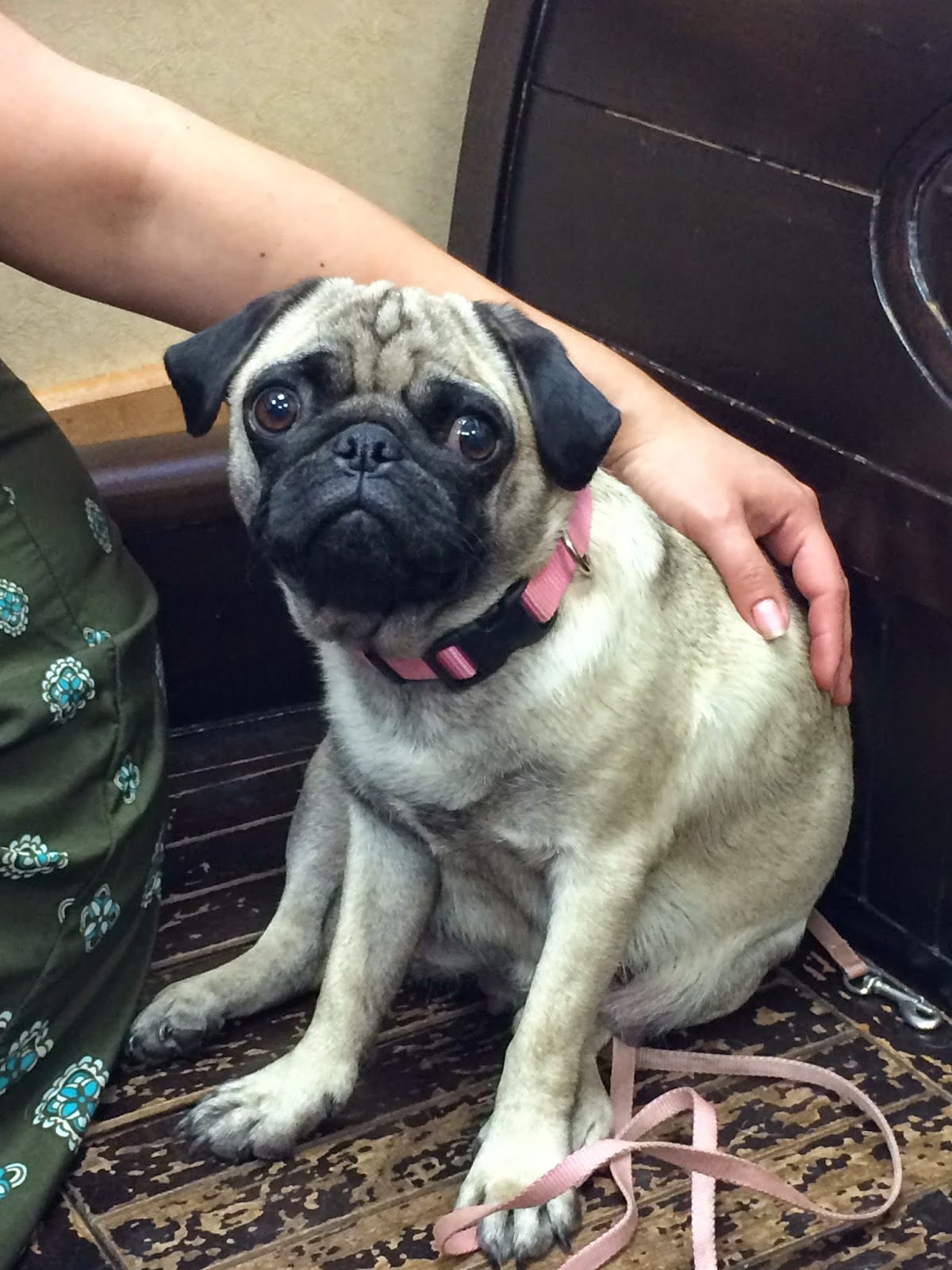
Pookie is a two year old Pug who visited us at Companion Pet Hospital of Fishkill with her five male puppies. Dr. Ouart examined the puppies along with Lauren, Mellisa, and our Technician Assistant Natalee (Kathy's daughter).


Tuesday, April 8, 2014

April is National Heartworm Awareness Month!

April is National Heartworm Awareness Month! Did you know that heartworm disease is one of the most deadly diseases in pets? It is 100% preventable so call us today and ask about your pet’s heartworm prevention.

Friday, April 4, 2014

Top 10 Green Pet Tips


  1. Adopt from a shelter
    Why buy when you can adopt one of the 70,000 puppies and kittens born every day in the United States?

  1. Spay or neuter your pet
    Spaying and neutering helps dogs and cats live longer, healthier lives by eliminating the possibility of uterine, ovarian, and testicular cancer and decreasing the incidence of prostate disease.

  1. Rein in your pets; protect native wildlife
    Always keep your dog on a leash when outside and confine your mangy feline indoors.

  1. Swap out the junk food
    Most conventional pet-food brands you find at the supermarket consist of reconstituted animal by-products, otherwise known as low-grade wastes from the beef and poultry industries. Natural and organic pet foods use meats that are raised in sustainable, humane ways without added drugs or hormones, minimally processed, and preserved with natural substances, such as vitamins C and E.

  1. Clean up their poop
    Scoop up your doggie doo in biodegradable poop bags so your buddy's No. 2 isn't immortalized in a plastic bag while deep-sixed in a landfill somewhere for hundreds of years. Cat owners should avoid clumping clay litter at all costs. Not only is clay strip-mined (bad for the planet), but the clay sediment is also permeated with carcinogenic silica dust that can coat little kitty lungs (bad for the cat).

  1. Give them sustainable goods Your furry friends can get in on some saving-the-planet goodness, too--and have plenty of fun--with toys made from recycled materials or sustainable fibers (sans herbicides or pesticides) such as hemp.

  1. Use natural pet-care and cleaning products
    You don't use toxic-chemical-laced
    shampoos and beauty products, so lather up your cats and dogs (or ferrets, rabbits, or hamsters--we don't judge) with natural pet-care products, as well. And if your cat horks up a hairball, or Fifi doesn't make it all the way to the bathroom, clean up the mess with cleaning products that are as gentle on the planet as they are on your critters' delicate senses.

  1. Tag your pet
    It might be a stretch to call inserting an electronic ID chip into your pet an eco-friendly move, but losing your buddy causes extreme emotional distress that turns you into nobody's friend. Then there's the paper waste from printing out Missing posters, the fuel cost of driving around your neighborhood trying to find them, the phone bill as you bawl your eyes out to everyone you know ... well, you get the idea. Ask us for more info.
  2. Compost their poopAmerican dogs and cats create 10 million tons of waste a year, and no one knows where it's going, according to Will Brinton, a scientist in Mount Vernon, Maine, and one of the world's leading authorities on waste reduction and composting.

  1. Get crafty
    Your cat will love you forever if you grow your own organic catnip or cat grass. Scrap yarn and fabric you might otherwise toss can also easily be transformed into pet toys with some basic crafty know-how. And they wouldn't have had to be trucked thousands of miles just to get drooled on.


Tuesday, February 4, 2014

Laser Therapy: Micki

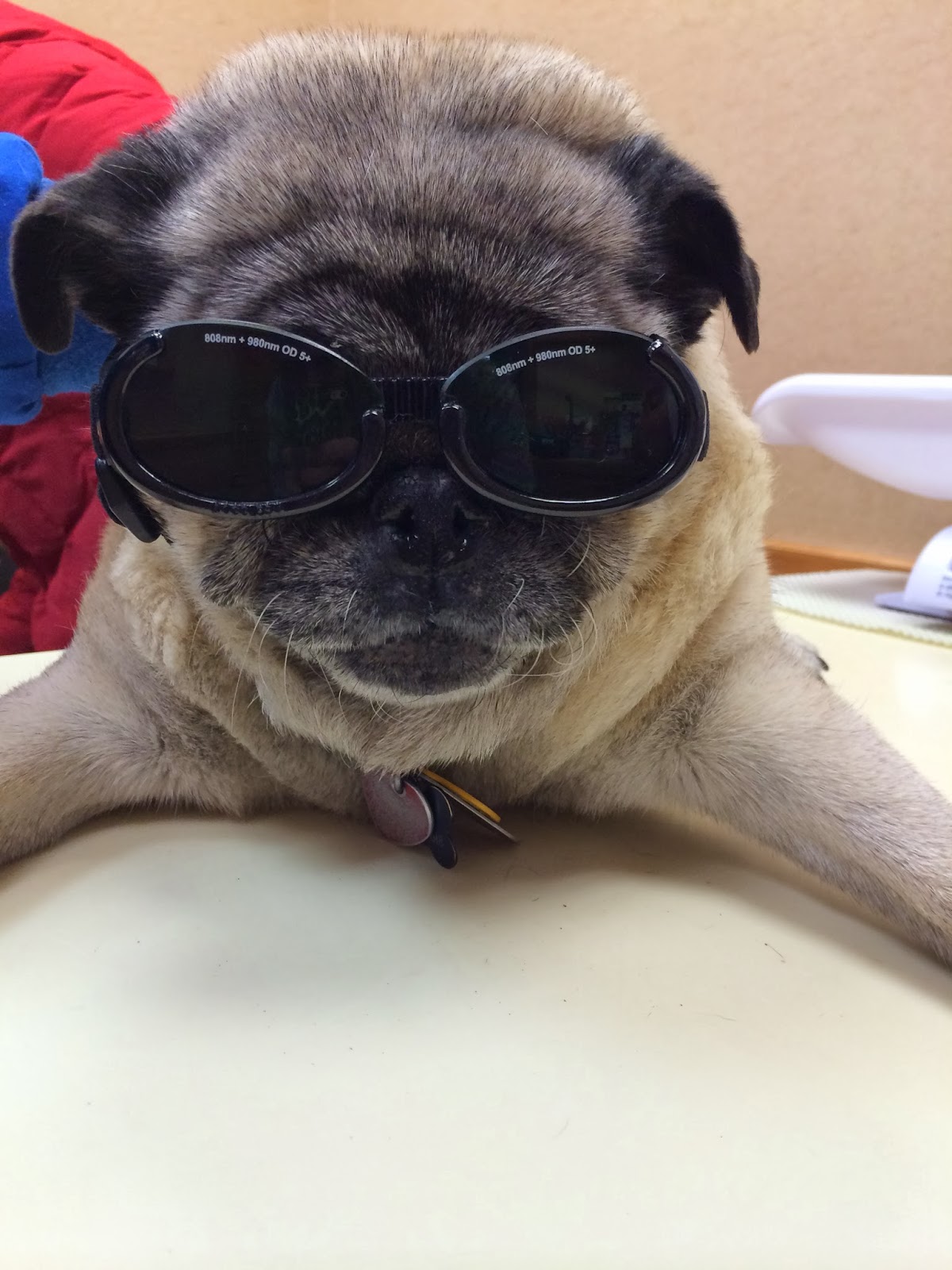
Here is Micki an 11 year old pug wearing her "doggles" right before she received laser light therapy. 

The beneficial effects of laser light on tissue were first recognized almost forty years ago. Since then, there have been thousands of studies documenting the positive effects laser light has on different types of cells, tissue, and disorders.  Recent advances in technology and manufacturing have made it possible to have this exciting modality available and affordable for clinicians.


The laser light is delivered through a non-invasive handpiece to treat the affected area. Your pet will feel a gentle and soothing warmth. As the laser is administered, many pets will relax, much like you would experiencing a good massage. The almost immediate relief of pain will allow your pet to be comfortable and any anxiety that your pet initially experienced will dissipate.


Simply put, it provides relief. The fur does not need to be clipped. Eye protection will be worn by the laser operator and anyone in a close proximity to the laser probe.  The eyes of the animal will be directed away from the treatment area or covered with a towel or eye wear.  The clinician will move the probe over the area of treatment to assure the laser is being delivered to the area which needs improvement.  There are no known side effects with this treatment.